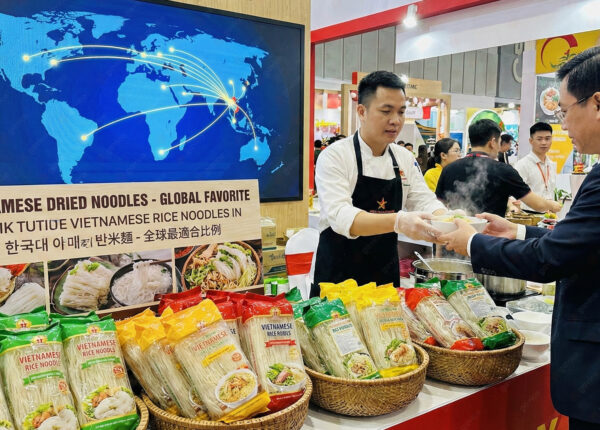
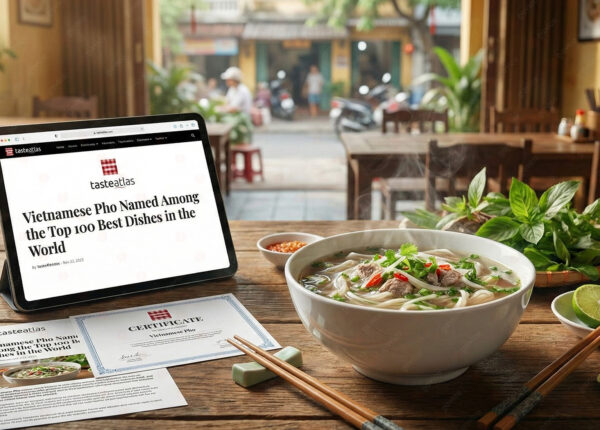
Vietnamese Dried Noodles Gain Growing Popularity on the Global Culinary Stage
In recent years, Vietnamese dried noodles—particularly phở khô and bún khô—have been steadily rising in global demand, marking a new chapter for Vietnam’s traditional food industry. Once considered humble staples of local cuisine, these products are now becoming sought-after ingredients in kitchens, restaurants, and retail markets around the world.
The appeal of Vietnamese dried noodles comes from their authentic flavor, natural ingredients, and versatility. Unlike instant noodles, dried phở and bún are made from rice flour with minimal additives, offering a healthier and more natural option for international consumers who prioritize clean labels and simple processing. Their ability to pair with a wide range of broths, sauces, vegetables, and proteins has also made them especially attractive to chefs seeking fresh, customizable menu items.
In markets across Asia, Europe, and North America, Vietnamese dried noodles are increasingly featured on supermarket shelves and in specialty Asian food stores. Export volumes have been rising year by year as consumers grow more interested in Southeast Asian cuisine, driven by food tourism, global culinary influencers, and the expanding presence of Vietnamese restaurants abroad. Many distributors report that dried phở and bún are among the fastest-growing categories in their portfolios.
news_02c
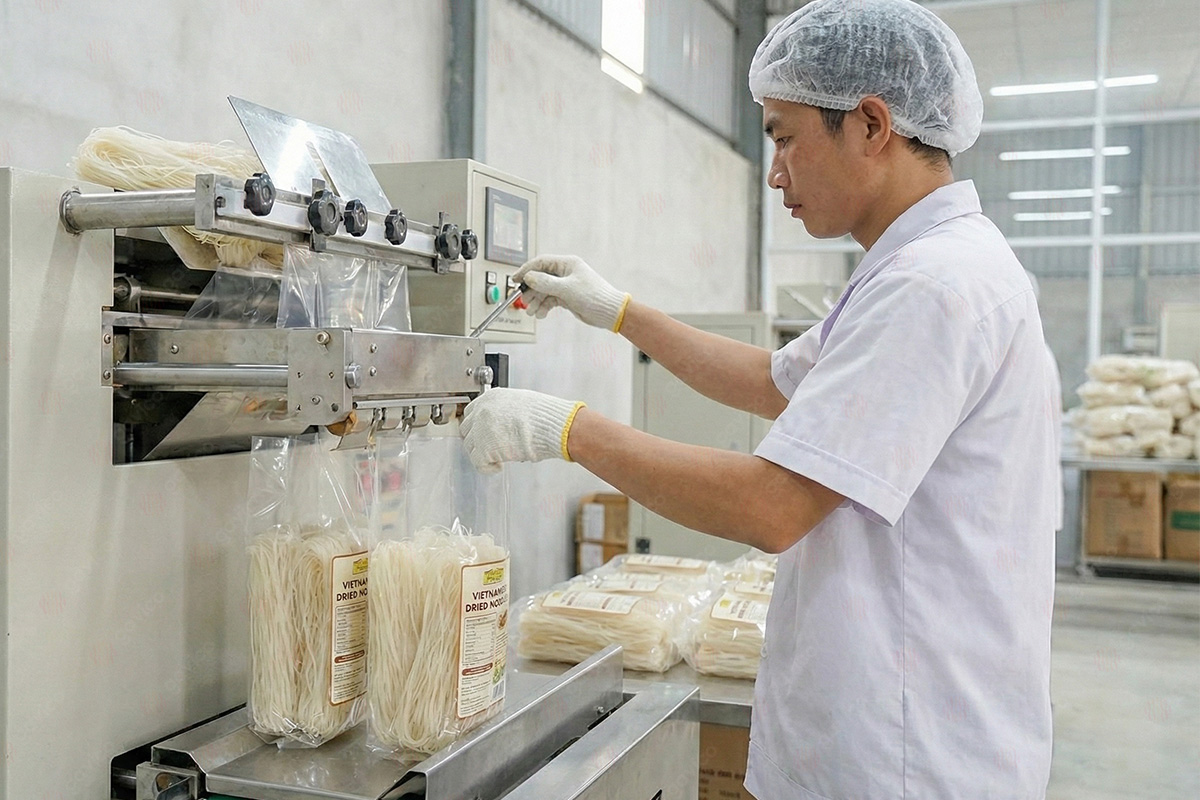
Producers in Vietnam have responded to this demand by investing in modern production technologies, improving packaging quality, and meeting international standards such as HACCP, BRC, and organic certifications. These advancements have strengthened the reputation of Vietnamese rice-based products, positioning them as high-quality exports capable of competing with major international noodle brands.

As global tastes continue shifting toward healthier and more diverse food options, the future looks promising for Vietnam’s dried noodle industry. What began as a traditional flavor from local kitchens is now becoming a celebrated part of global cuisine—proof that Vietnamese culinary heritage continues to inspire and delight people around the world.

You may also like

Related posts

Scroll