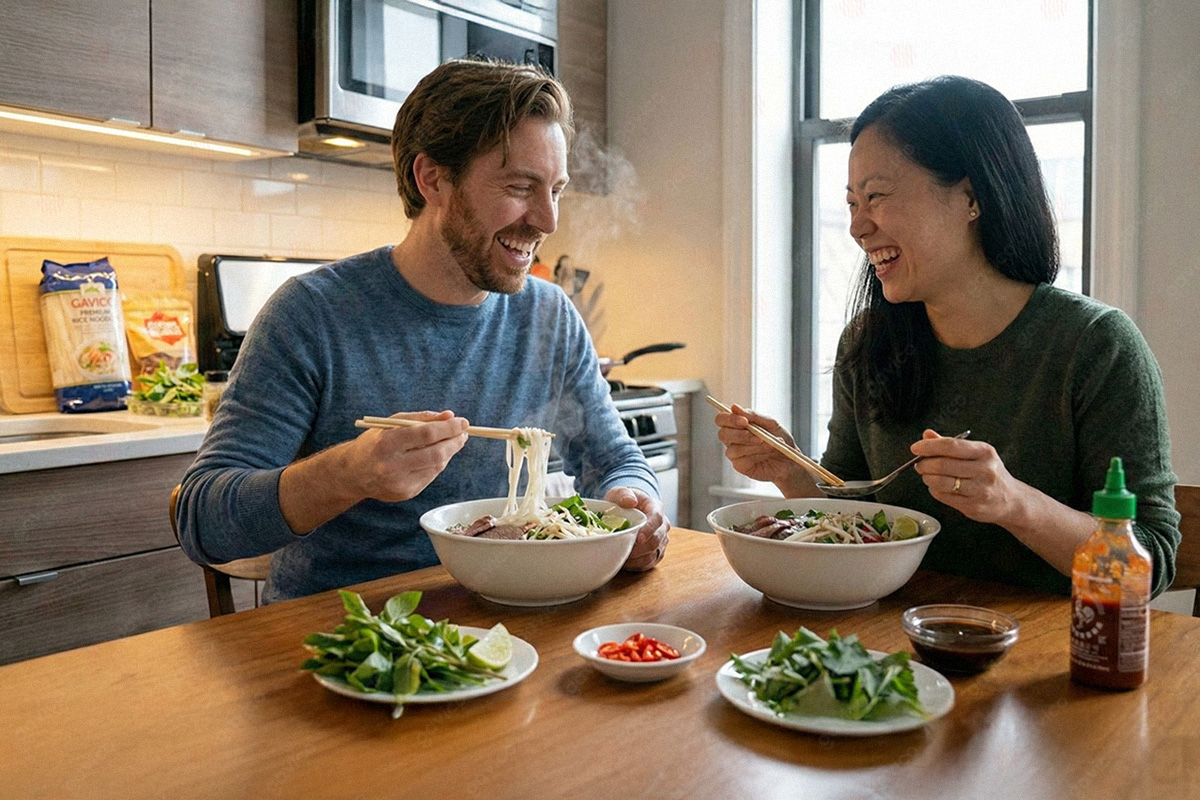
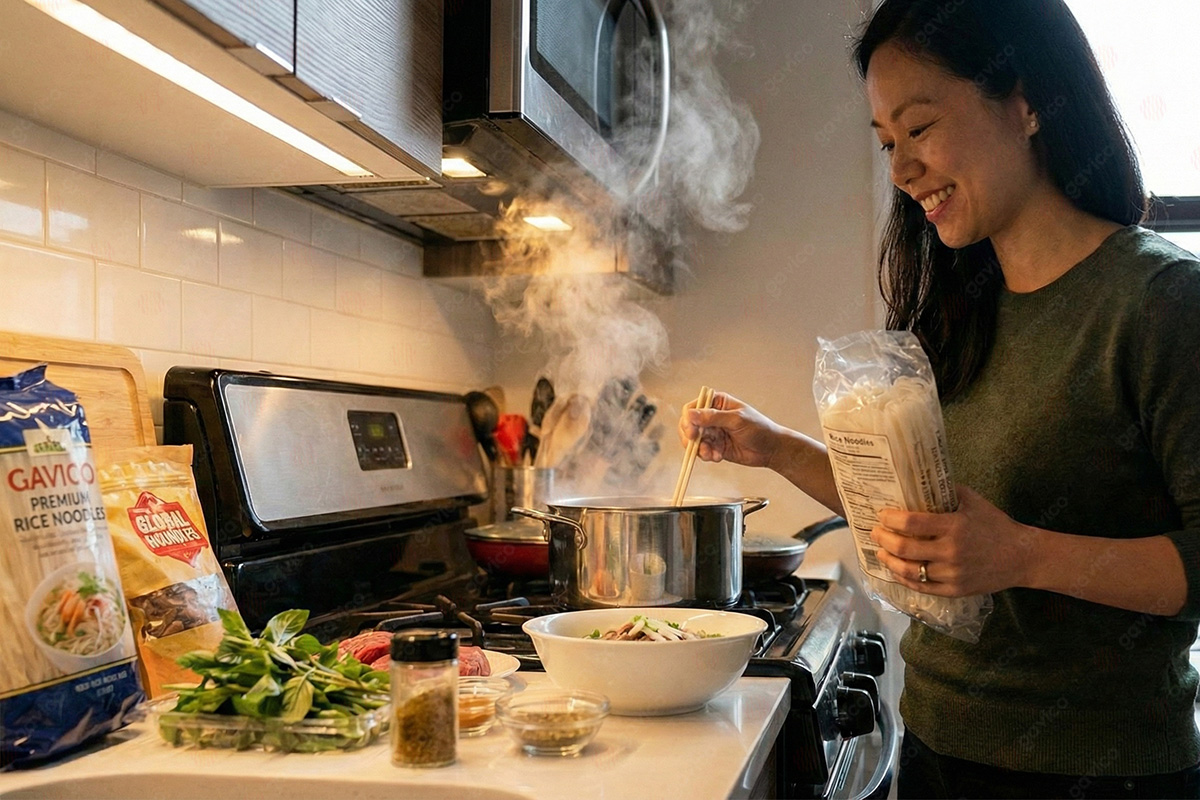
HANOI, VIETNAM – As the global appetite for Vietnamese cuisine continues to skyrocket, a staple ingredient is undergoing a quiet revolution. No longer confined to the fresh markets of Southeast Asia, Premium Dried Rice Noodles (Bún & Phở) are making their way into international pantries, promising to bridge the gap between authentic street food flavors and home cooking convenience.
Bridging the Authenticity Gap
For decades, the "holy grail" of Vietnamese cooking—specifically Phở (flat noodles) and Bún (vermicelli)—was the reliance on fresh daily production. While delicious, fresh noodles are highly perishable, making them difficult to export or store for long periods.
However, recent advancements in food drying technology by leading Vietnamese manufacturers have changed the game. The new generation of dried rice noodles is designed to replicate the silky texture and slight chewiness of fresh noodles once rehydrated, solving a logistical nightmare for distributors and satisfying the cravings of foodies worldwide.
Clean Label, Clear Benefits
Unlike instant noodles, which are often deep-fried and laden with sodium, traditional dried rice noodles appeal to the growing demographic of health-conscious consumers.
The product's appeal lies in its simplicity and dietary inclusivity:
100% Natural: Typically made from just rice flour, water, and occasionally salt.
Gluten-Free: A safe alternative for those with celiac disease or wheat sensitivities.
Preservative-Free: The drying process naturally preserves the product without the need for chemical additives.
Versatility Beyond the Bowl
While Phở noodles are famous for the iconic soup, the dried Bún (vermicelli) offers incredible versatility for home cooks. Culinary experts note that these noodles are finding their way into non-traditional dishes.
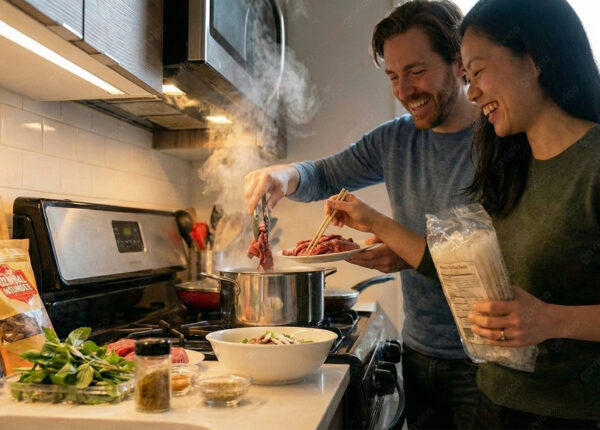
From classic Bun Cha (grilled pork with noodles) and Spring Rolls to modern stir-fries and cold noodle salads, the dried format allows consumers to keep a "pantry staple" ready for a meal in under 10 minutes.
A Export Boom
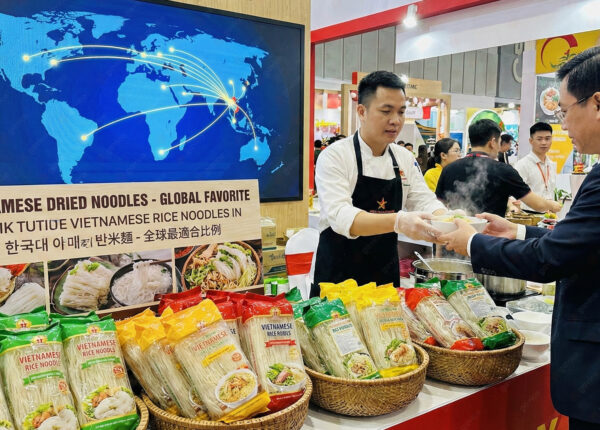
According to data from the Ministry of Industry and Trade, exports of rice-based products have seen a steady increase year-over-year. Vietnamese dried noodles are now appearing on the shelves of major retailers in the United States, Europe, and Japan, moving beyond niche Asian grocery stores and into the mainstream aisle.
For the global consumer, this means the authentic taste of Vietnam is no longer just a restaurant experience—it is a meal that can be mastered at home, any day of the week.
How to Cook Dried Rice Noodles Perfectly
Soak: For best results, soak the dried noodles in cold water for 10-15 minutes before boiling.
Boil: Cook in boiling water for 3-5 minutes (depending on thickness).
Rinse: Immediately rinse under cold water to stop the cooking process and remove excess starch. This prevents sticking and ensures a bouncy texture.
Would you like me to rewrite this article to focus on a specific brand name, or translate it into Vietnamese for you?
Related posts
-
Vietnamese Dried Noodles Gain Growing Popularity on the Global Culinary Stage
These products are now becoming sought-after ingredients in kitchens, restaurants, and retail markets around the world.
-
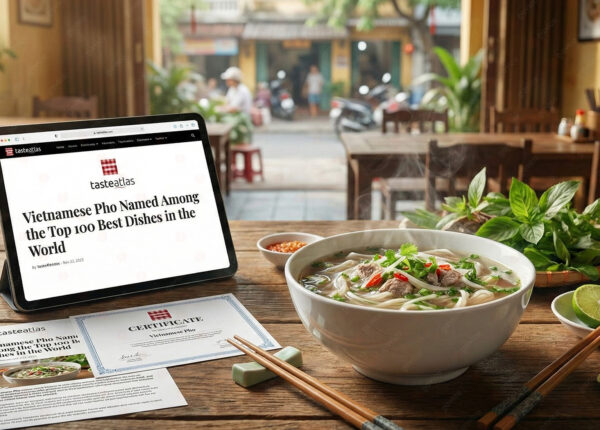
TasteAtlas: Vietnamese Pho Named Among the Top 100 Best Dishes in the World
Pho—Vietnam’s national soul food—has secured a prestigious spot, reaffirming its status as a global culinary icon.
-
The Global Rise of Premium Dried Vietnamese Rice Noodles
As the global appetite for Vietnamese cuisine continues to skyrocket, a staple ingredient is undergoing a quiet revolution.